Public Transport in the UAE: Smart, Connected and Accessible Travel
Discover the best public transport options for your daily commute. Navigate challenges and find solutions to make your travel easier. Read more now!
Getting around the UAE without a private car is not only possible-it's increasingly the smartest way to travel. From driverless metro trains in Dubai to ferry services linking Abu Dhabi's islands, public transport across the emirates has matured into a connected, technology-driven network that serves millions of passengers every year. This guide walks you through the modes, tools, fares and tips you need to navigate it all.
Key Takeaways
UAE public transport covers metro, buses, trams, taxis, marine transport and active mobility options such as bike-sharing and e-scooters across major cities.
Abu Dhabi, Dubai and Sharjah each operate integrated systems with smart cards-including silver card solutions like Nol and Hafilat-and mobile apps for easy payments.
The UAE ranks among the top 10 globally for road quality (8th in the 2019 Global Competitiveness Index) and Abu Dhabi achieved 88 percent resident satisfaction for public transport, placing it 4th worldwide.
Marine transport is a key pillar in coastal cities, linking areas and islands via abras, ferries and water taxis with 30 pick-up points in Dubai alone.
Visitors and residents can plan end-to-end journeys using official journey planner apps and unified navigation platforms such as Darbi, RTA Dubai and the Seniar app.
Where Will You Go Today?
Whether you live in Sharjah and commute daily into Dubai, or you're a tourist exploring Abu Dhabi's Corniche for the first time, the UAE's public transport network is designed to reach you where you are and take you where you need to go. Dubai's public transport alone includes buses, metro, tram, taxis and water transport-and the other emirates aren't far behind.
You can quickly view, search and download route maps for every mode in PDF or app format. Abu Dhabi Mobility publishes bus maps for the city, Al Ain and Al Dhafra regions. Dubai's RTA covers metro, tram, bus and marine routes. Sharjah's Mowasalat provides maps for its growing bus network. All are accessible from official transport authority websites and apps.
Here are a few high-demand corridors that move the most passengers daily:
Dubai Metro Red Line through Business Bay, Downtown and the Mall of the Emirates-packed during morning and evening peaks.
Abu Dhabi airport-to-downtown bus routes connecting terminals with central destinations like Al Reem Island and the Corniche.
Sharjah Route 15 (Airport to Rolla) and Route 88X, heavily used by commuters heading into Dubai.
RTA taxis are available across Dubai and can be booked via app for door-to-door convenience when bus or metro routes don't quite fit.
Daily commuters, school-run parents and leisure travelers all rely on these routes. Understanding which corridors serve your area is the first step to a faster, cheaper journey.
Plan Your Journey
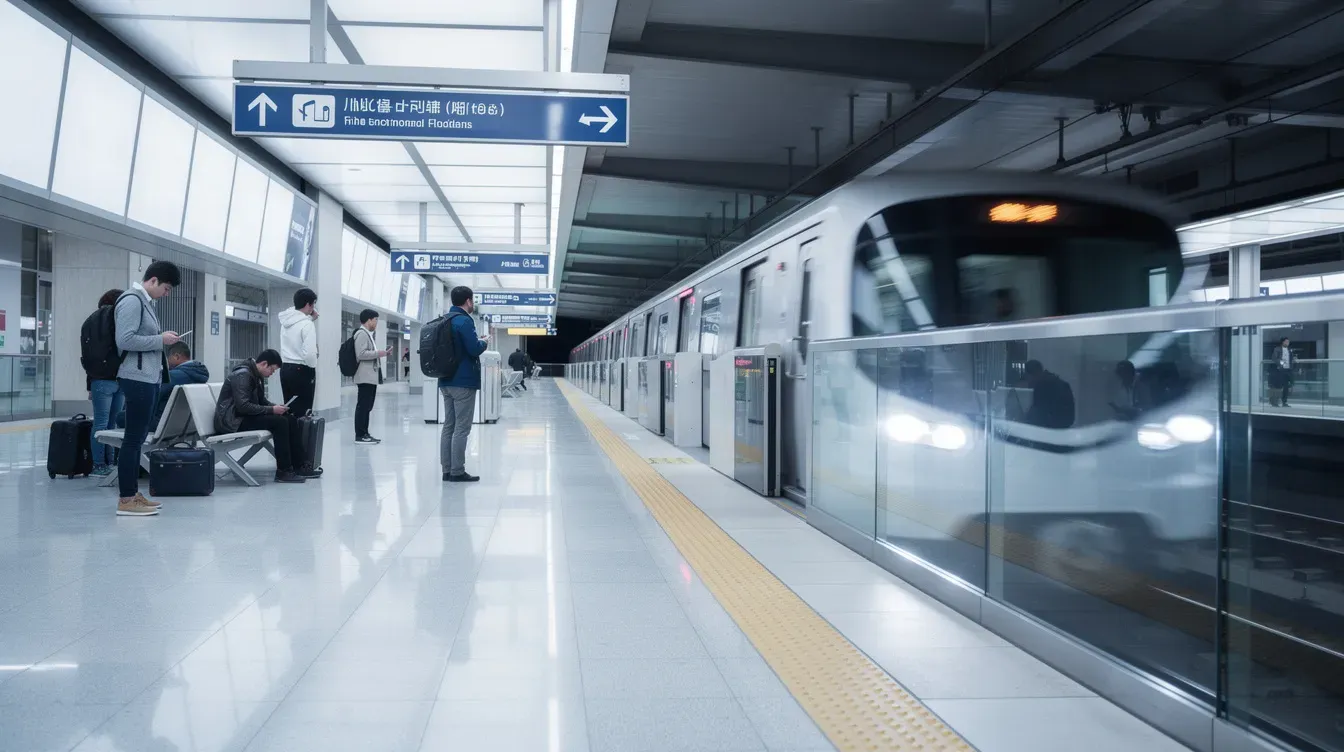
Planning a commute in a sprawling urban area like Abu Dhabi or Dubai isn't optional-it's essential. Peak hours increase crowding and potential delays in transport, and connections between buses, metro and marine services require careful timing. Planning your commute involves evaluating route options, journey times and costs before you step out the door.
Each emirate offers dedicated tools. Abu Dhabi's Darbi app provides live bus arrival times, service alerts and marine schedules. Dubai's RTA app and Nol Pay platform combine route search with payment integration. In Sharjah, the RIHLATI tool by Mowasalat gives schedule information, though real-time granularity is still catching up with its neighbors.
Example mini-itinerary: A resident in Khalifa City, Abu Dhabi, heading to a meeting in the city center could open Darbi, check the next bus departure from their local stop, confirm their Hafilat card balance, and see whether a marine ferry option from island developments could shave off time. If the app shows a peak-hour delay, they leave 15 minutes earlier.
Always check your journey planner app before leaving-especially for marine transport, where weather can alter schedules with little notice.
These platforms often integrate ferry times to islands or creek crossings, giving you a seamless door-to-door plan that accounts for every transfer.
Travel Smart: Cards, Tickets and Payments
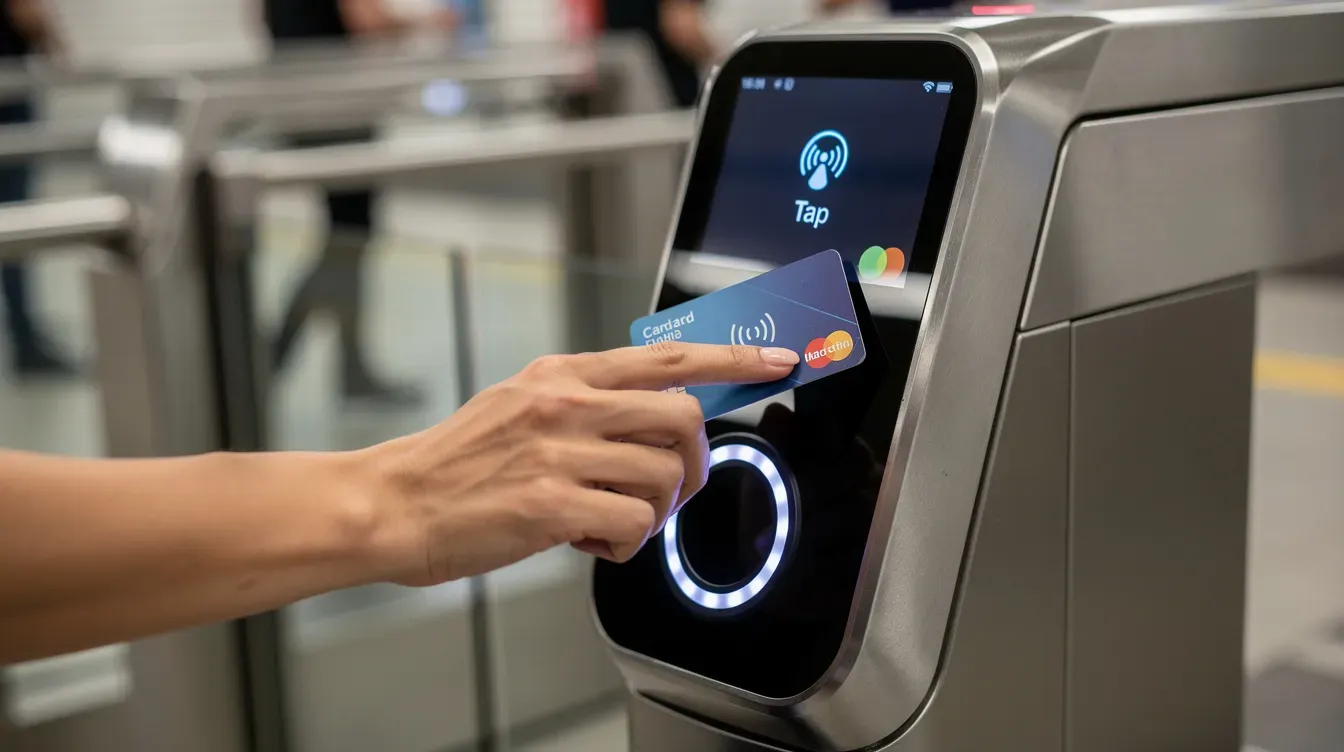
Smart fare systems are the backbone of convenient public transport payments across the UAE. In Dubai, Nol cards are used for all public transport-metro, tram, buses and many marine services. Abu Dhabi uses Hafilat cards for its bus network, while Sharjah's Sayer card covers Mowasalat routes. Contactless payments enhance the efficiency of transit systems and keep boarding times short.
The silver card is the standard reloadable option most riders use. Dubai's Nol Silver card costs AED 25 (including AED 19 in stored value), is valid for five years, and holds a maximum balance of AED 1,000 for anonymous users or AED 5,000 if registered. Types of Nol cards include Gold, Silver and Blue-each tailored to different user needs and fare classes. The minimum balance for a Nol card is AED 7.50, and cards can be topped up at metro stations and supermarkets.
A Nol Red ticket allows multiple trips on public transport and suits tourists or occasional users who don't want a permanent card. Abu Dhabi's Hafilat card costs AED 10, charges a base fare of around AED 2 plus 5 fils per kilometer with most trips capped at AED 5. Sharjah's Sayer card drops the cash fare from AED 8 to AED 6 per trip-a meaningful saving for daily riders.
Here's a quick comparison: occasional visitors may prefer a Red ticket or tourist day-pass for simplicity; short-stay tourists benefit from stored-value cards they can reload as needed; residents should opt for a silver card or monthly pass (AED 350 in Dubai, AED 225 in Sharjah, AED 80 in Abu Dhabi) for the lowest per-trip cost. Efficient transit networks lower overall travel costs for residents who commit to a card-based system.
Travel Easy: Buses, Rail and Last-Mile Options
Buses, metro, trams and last-mile solutions form the backbone of public transport in the UAE's major cities. Each mode plays a distinct role in keeping people moving.
Dubai Metro is the world's largest driverless train system, grounded in high-capacity electric train operations that avoid street traffic entirely. It runs two lines-Red and Green-with services from 5 am to 12 am on weekdays. Metro systems provide high-capacity transport, making them ideal for covering long distances quickly. The tram network operates around Dubai Marina and Jumeirah Beach Residence, connecting riders to metro interchange stations. Light rail and trams offer electrified transport within city centers, and these light rail systems improve neighborhood connectivity and access to areas the metro doesn't directly serve.
Buses are flexible and cost-effective public transport options with broader geographic coverage. Buses in Dubai operate 24 hours a day, including late-night routes on key corridors. The RAK to Dubai bus service operates from 5:30 to 21:00, providing an intercity link for passengers in the northern emirates. Abu Dhabi's bus network covers the city, suburbs and inter-emirate routes, while Sharjah's Mowasalat connects residential areas to commercial hubs and cross-border destinations. Bus Rapid Transit systems, where operated on dedicated lanes, offer speed and reliability that rival rail.
Commuter rail connects suburbs to urban cores effectively, and as Abu Dhabi's planned metro (expected around 2030) takes shape, this connectivity will expand. Buses can be twice as efficient as private cars in urban settings, making them a smart default for most trips.
For the final stretch, dockless bike-shares and on-demand shuttles solve first and last mile issues around stations and stops. Abu Dhabi's cycling tracks along the Corniche and Al Hudayriyat, plus e-scooter pilots in dense districts like Downtown Dubai, give riders low-cost, active mobility options that connect seamlessly with transit hubs.
Key advantages by mode:
Metro/Tram: fastest, most predictable, unaffected by road congestion
Buses: widest coverage, flexible routing, 24-hour availability on key routes
Bike-share/E-scooter: cheapest, healthiest, ideal for short last-mile trips
Taxis/Ride-hail: fill gaps in off-peak hours and less-served locations
Marine Transport in Abu Dhabi and Beyond
The UAE's coastline, islands and urban waterways make marine transport a practical necessity, not just a scenic option. Abu Dhabi relies on ferries to connect communities on Delma Island and Al Aliah with the mainland. Dubai's historic creek crossings remain among the city's most-used transit links, and Sharjah's waterfront areas are increasingly served by water-based routes.
Abu Dhabi Maritime operates passenger and vehicle ferries between Dalma Island and Jebel Al Dhanna, with adult fares around AED 20 and vehicle transport approximately AED 100. Children under 12 generally travel free. Four new ferries were being built as of 2024 to serve the Delma and Al Aliah routes, improving frequency and capacity.
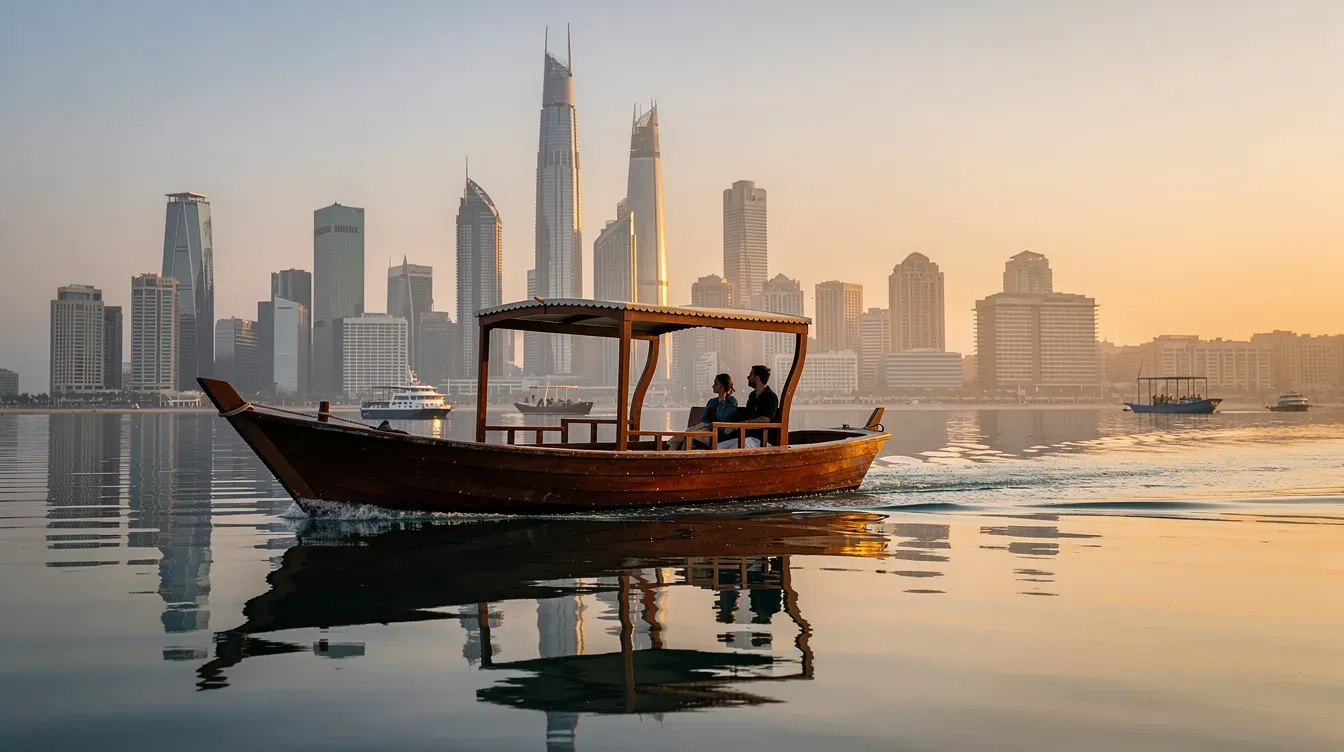
In Dubai, an abra can transport passengers across Dubai Creek for minimal charges-just AED 1 per crossing, paid in cash directly to the boatman. Two main abra lines run between Deira Old Souq and Bur Dubai: one from 5 am to midnight, the other 24 hours. Beyond abras, water taxis in Dubai have 30 pick-up points across the emirate, offering scheduled and on-demand services along the Creek, Canal and Marina. Ferries and water taxis on these routes generally accept Nol cards, unlike traditional abras which remain cash-only.
If you're planning a marine trip, check same-day weather announcements on official apps-open-water ferries to islands are more likely to face schedule changes than sheltered creek crossings.
Smart Ways to Commute and Navigate
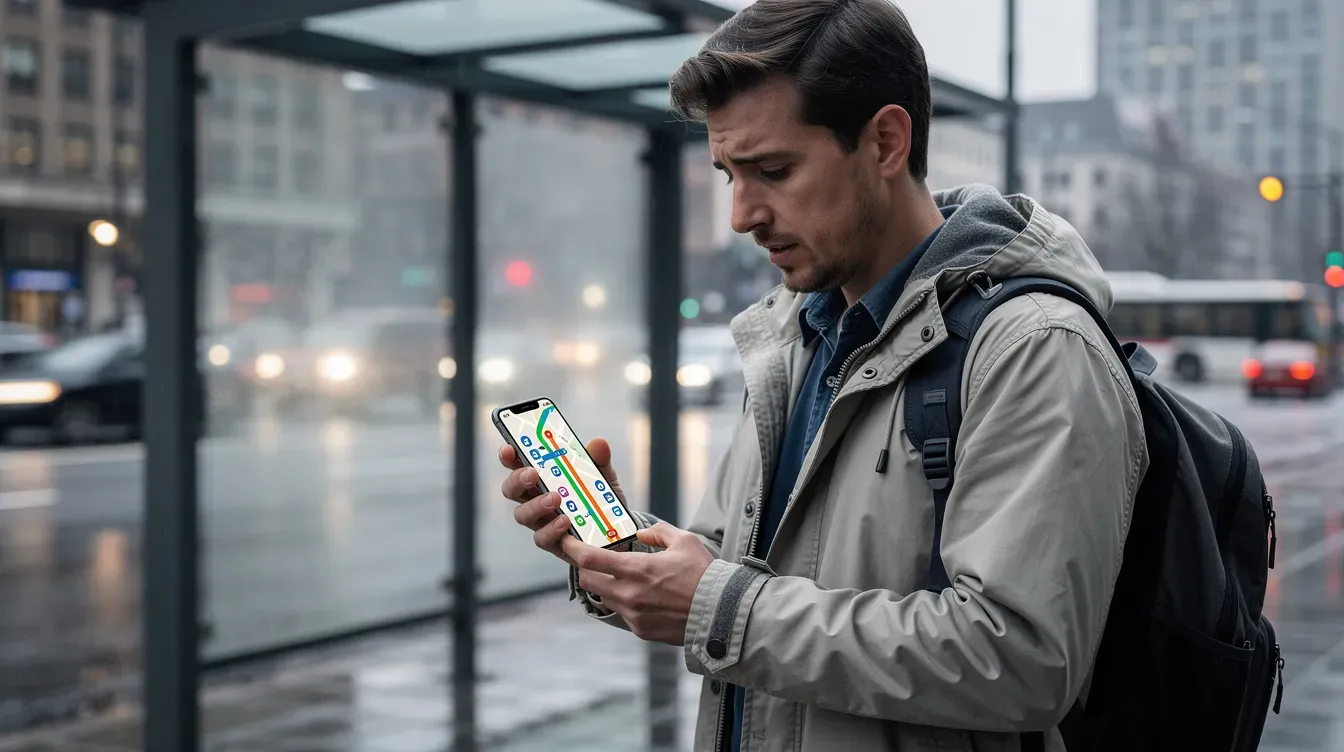
The UAE's investment in smart mobility goes beyond building tracks and roads. National digital strategies and city-level initiatives have produced a suite of tools that make navigating public transport genuinely intuitive. The Seniar app provides navigation across the UAE, while Abu Dhabi's Darbi and Dubai's RTA app deliver emirate-specific route planning, live tracking and fare calculations.
Local transit apps provide real-time updates and route planning, pulling in live traffic data and GIS-based routing to help users avoid congestion hotspots. Smart transport includes electric buses and autonomous vehicles-Abu Dhabi has been running robotaxis on Yas and Saadiyat Islands since 2022 with zero reported incidents. Technological advances improve public transport and reduce pollution as these innovations scale up.
Use-case: A resident in Sharjah heading to a Dubai business district in the morning could open RIHLATI to find the next Mowasalat bus toward the border crossing, then switch to the RTA app to check Dubai Metro timing from the nearest station. Combining both apps-plus a standard maps service for walking directions around the final stop-turns a cross-emirate commute into a predictable, stress-free journey.
Global Rankings and User Satisfaction
The UAE's public transport infrastructure consistently earns high marks in international indices, reflecting decades of sustained investment. These rankings translate directly into the daily experience of passengers who depend on the system.
In the 2019 Global Competitiveness Report, the UAE ranked 8th globally among roughly 141 countries for road quality, scoring around 6 on a 7-point scale. A satisfaction survey by Abu Dhabi's Department of Municipalities and Transport found that 88 percent of residents were satisfied with public transport services, placing the capital 4th globally for resident feedback on service quality. In 2023, Dubai ranked among the top 10 most affordable cities for public transport relative to average salaries, with a monthly all-modes pass costing about 2.3 percent of the average net wage.
Why do these numbers matter to everyday riders? They reflect safe infrastructure, reliable schedules, clear passenger information, and accessibility for people of determination and families. High satisfaction scores also signal that feedback channels work-authorities listen and iterate.
How Public Transport Supports Sustainable Mobility
Expanding public transport is central to the UAE's sustainability goals under its Vision 2030 and 2050 frameworks. Urban public transport reduces congestion and lowers carbon footprints in dense city cores, and public transit is efficient for greenhouse gas reduction efforts at a national scale.
Emirates Transport, established in 1981, has grown from managing school and government fleet services into a key partner in sustainable mobility, consolidating trips and optimizing routes for corporate and institutional users. Today's push toward electric and hybrid bus fleets, solar-powered metro infrastructure and expanded cycling networks continues this trajectory.
Public transport promotes social equity by providing mobility for all demographics-connecting workers in outlying areas to employment centers, giving tourists car-free access to destinations, and offering people of determination accessible, affordable travel options. Upcoming projects-Abu Dhabi's metro, expanded ferry routes, new tram extensions-will further support low-carbon mobility across the emirates.
Useful Links and Passenger Support
Fares, schedules and services can change, so riders should always rely on official channels for the latest information. Each emirate's transport authority maintains a website, verified social media accounts and a call center for live assistance.
Passengers can submit feedback, suggestions or complaints online, through official apps, or at dedicated customer happiness centers located at major stations. These centers also serve as assistance points for riders with accessibility needs.
Before any long trip-especially intercity or marine routes-check for service disruptions, planned maintenance notices and weather-related schedule adjustments. Accessibility information, including details on ramps, elevators, priority seating and support programmes for people of determination, is available on each transport authority's website.
FAQ
How do I get a Silver card for public transport in the UAE?
Smart cards like the Nol Silver card can be purchased at metro stations, major bus terminals, selected supermarkets and some marine transport piers. Registration is optional but recommended-it protects your balance if the card is lost and unlocks higher balance limits. Bring cash or a bank card and a copy of your ID if you wish to register.
Can I use one card across buses, metro, tram and marine transport?
In Dubai, the Nol card covers metro, tram, buses and many marine services, plus some parking meters. However, coverage varies between emirates-Hafilat works in Abu Dhabi and Sayer in Sharjah, so cross-emirate commuters may need multiple cards. Some specialist tourist boats or traditional abra crossings require separate cash payment. Check the supported modes list on the relevant transport authority website before you travel.
Is public transport in Abu Dhabi convenient for tourists without a car?
Abu Dhabi offers airport buses, city routes along the Corniche, services to major malls and attractions, and ferry links to selected islands, making car-free travel feasible for many visitors. For late-night trips or less-served areas, combining buses with taxis or ride-hailing fills the gaps. Download the Darbi app before you arrive to understand routes and timings, especially during peak summer heat when waiting outdoors is uncomfortable.
Do marine transport services operate all year round?
Most scheduled marine transport services in the UAE run year-round, but frequency may be adjusted or specific trips suspended during adverse weather or low visibility. Short creek crossings by abra usually operate long hours daily on a Saturday-through-Friday schedule, though maintenance or special events can cause pauses. Always check same-day announcements on official apps before heading to the dock.
Are public transport systems accessible for people of determination?
Modern metro, tram and most newer bus fleets feature low floors, ramps, tactile guidance, priority seating and audio-visual announcements. Stations commonly provide elevators, wide fare gates and dedicated assistance points for wheelchair users and passengers with reduced mobility. Each emirate's transport authority publishes detailed accessibility information, including available discounts and support programmes, on its website.
Explore Metro Stations
Interchange Stations
Transfer between Red and Green lines
Total Stations: 35